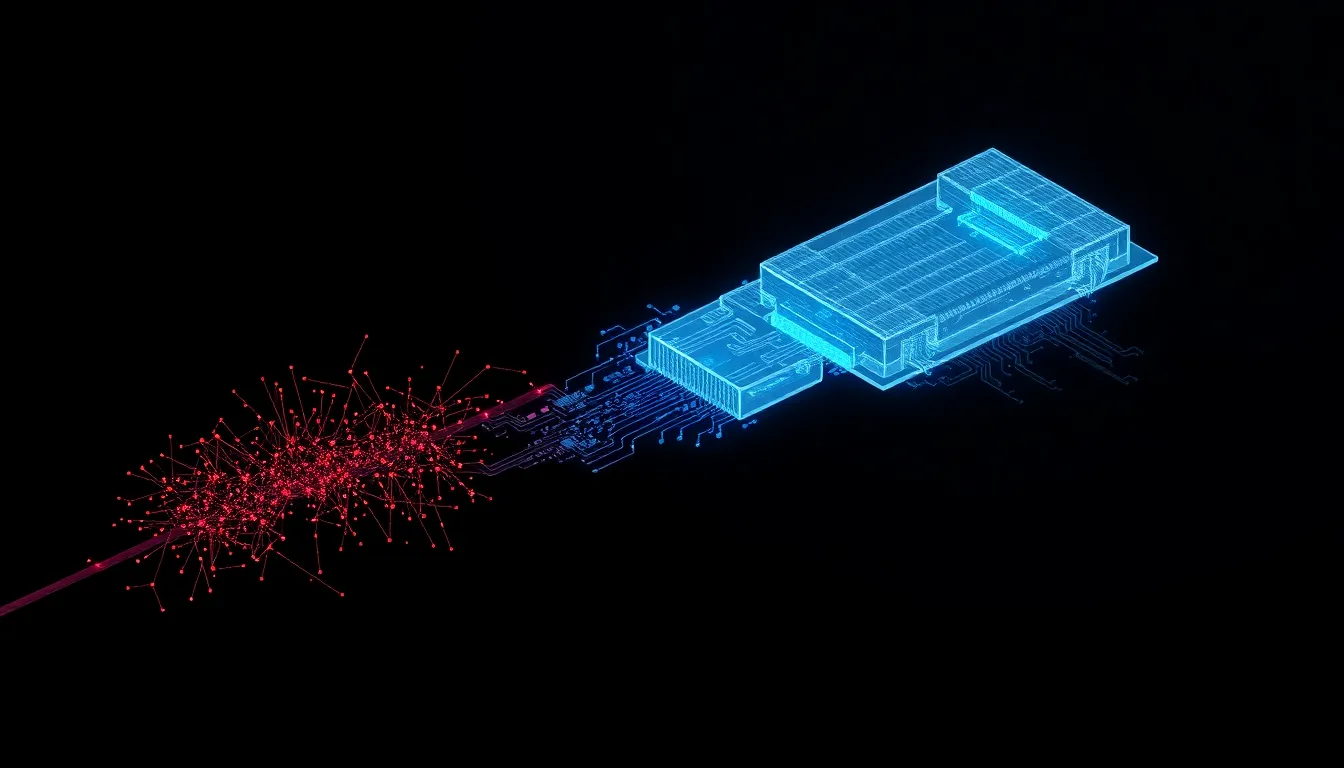
Stop burning engineering hours on fragile scraping scripts and move to a scalable infrastructure that guarantees clean data delivery.
For most engineering teams, the "cat-and-mouse" game with anti-bot defenses is a draining cycle of failure. You integrate a paid captcha-solving API, only to find your scripts breaking again a week later as fingerprinting and behavioral analysis evolve.
The real cost isn't the API fee—it's the loss of engineering velocity. When your senior developers spend more time patching fragile scraping scripts than building core products, you aren't managing data; you're managing a technical debt crisis.
The Fallacy of the Quick Fix: Why Captcha APIs Fail at Scale
Modern anti-bot defenses have evolved far beyond the simple "solve this puzzle" challenge. Today, platforms use sophisticated behavioral analysis and browser fingerprinting—analyzing everything from canvas rendering and WebGL capabilities to the precise cadence of mouse movements. A standalone captcha solver only addresses the final symptom of detection; it does nothing to hide the fact that your request looks like a script. If your TLS handshake is off or your header order is suspicious, the server has already flagged you before the captcha even appears.
This fragmented approach creates a "leaking budget." When you rely on a disconnected stack of proxies and solver APIs, you pay for every failed request, every timeout, and every blocked attempt. This inefficiency turns your data pipeline into a financial drain, where a significant percentage of your spend goes toward requests that never return usable data.
The Engineering Tax: The Hidden Cost of Fragile Pipelines
The operational drain of a "hack-and-patch" workflow is an invisible tax on your roadmap. When a target site updates its DOM or tightens its fingerprinting, your pipeline doesn't just slow down—it stops. Engineers are forced into a reactive cycle of manual proxy rotation and urgent script patching, diverting focus from feature development to basic maintenance. This instability creates a volatile data stream where gaps in collection become the norm, not the exception.
For teams leveraging this data for machine learning, the stakes are higher. Inconsistent data delivery leads to "silent failures" in ML training sets, where missing time-series data or skewed samples introduce bias and degrade model accuracy. Shifting from this fragile setup to a professional infrastructure replaces the constant firefighting with a predictable, structured delivery system, ensuring the integrity of the data feeding your core AI.

The Infrastructure Pivot: Transitioning to a Data Acquisition Layer
Breaking the cycle of fragility requires a fundamental shift in architecture: moving from a fragmented set of tools to a unified data acquisition layer. Instead of stitching together separate proxy providers and solver APIs, a comprehensive platform like Bright Data integrates residential proxies, browser fingerprinting, and intelligent captcha handling into a single, managed pipeline. This eliminates the need for manual rotation and constant script updates, as the infrastructure automatically adapts to evolving anti-bot defenses.
The practical result is a transition from managing "requests" to managing "structured data delivery." Rather than troubleshooting 403 errors or timeout logs, engineers focus on the output. By offloading the complexities of session management and bypass logic to a dedicated layer, teams can scale their collection volumes without a linear increase in engineering overhead, ensuring a clean, reliable stream of data for their applications.
Conclusion
The shift from fragile scraping scripts to a robust data acquisition layer is more than a technical upgrade—it is a strategic move from managing failures to guaranteeing delivery. By replacing fragmented tools with a unified infrastructure, you eliminate the engineering tax of constant patching and secure the high-fidelity data essential for AI/ML success.
Stop fighting bot defenses and start scaling your insights. Transition to Bright Data today to build a resilient, petabyte-scale pipeline that turns the web into a reliable asset.